

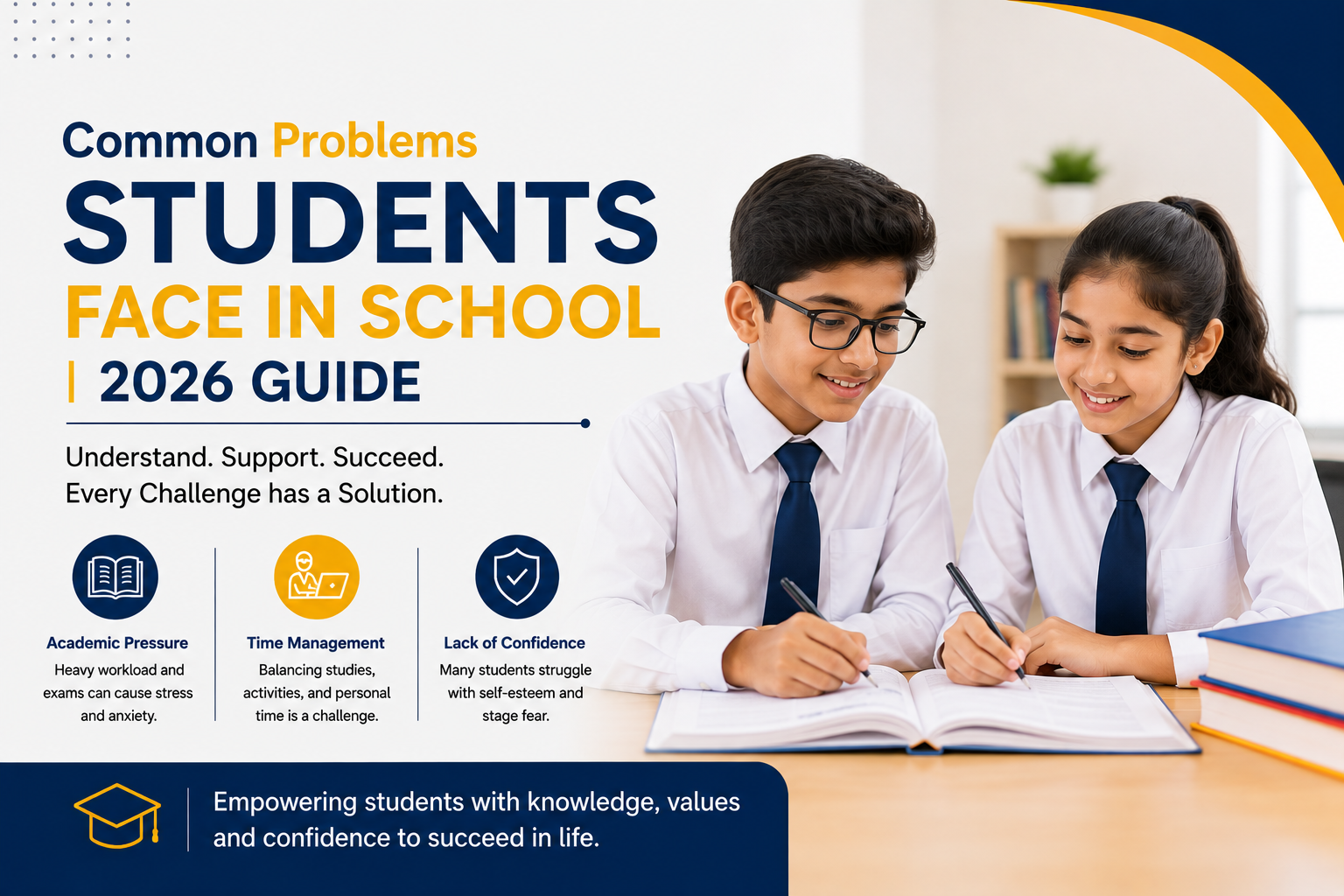
Mumbai parents often worry about the many problems students face in school today. From heavy academic pressure to social issues, these problems students face in school can affect a child’s confidence and learning. Understanding common problems students face in school helps parents provide the right support and solutions. Many of these issues overlap; for example, not sleeping well can worsen exam anxiety. Parents and educators agree that early intervention is key. According to CBSE guidelines, parental understanding and support can greatly help children overcome learning difficulties and behavioral challenges.( Al-Barkaat Malik Muhammad Islam English School )
Academic Pressure and Exam Stress
One of the biggest problems students face in school is the intense pressure to perform in exams. Long hours of studying, fear of failure, and tough competition can lead to anxiety and burnout. The Central Board of Secondary Education (CBSE) introduced measures to lower exam stress – for instance, Class 10 board exams will be held twice a year from 2026, aligning with the new education policy to reduce stress. Parents can help by encouraging effective study habits and good time management. Balancing sports or hobbies with studies can also be a challenge — another one of the problems students face in school.
Bullying and Peer Pressure
Bullying, cyberbullying, and peer pressure are social problems many children encounter. A child who feels isolated or is bullied may lose interest in school. Parents can create a safe space for their child to share these problems students face in school and discuss bullying openly. Let your child know it’s okay to talk about it. Involve teachers or counselors to address bullying promptly. Encouraging your child to engage in clubs or sports can help build friendships and confidence outside academics. If left unaddressed, social isolation is another of the problems students face in school.
Low Confidence and Motivation
Another common issue is low self-esteem and loss of motivation, often fueled by constant comparison with peers. Many students feel discouraged when they think they’re not as good as classmates. In fact, comparison issues often top the list of problems students face in school when they track class ranks. Parents should remind children that every student has unique strengths. Focus on your child’s achievements and interests rather than just grades. Praise effort and progress consistently. CBSE emphasizes that “success is not always determined by scholastic scores”. Building a growth mindset – where mistakes are seen as learning – can motivate children to try harder and enjoy learning.
Distractions and Poor Study Habits
In today’s digital age, staying focused is tough. Smartphones, games, and TV can distract students from homework or revision, another key problem students face in school. Parents can help by setting a quiet, organized study space and a regular study schedule. Encourage short study sessions followed by breaks, as Edutopia notes effective study routines improve learning. Teach your child to break large tasks into smaller steps and to remove distractions (like turning off phone notifications or using “focus” mode). These steps help prevent interruptions and improve concentration.
Health and Wellbeing Issues
Physical health also impacts school performance. For instance, the Mumbai government found many struggling students simply needed glasses or more sleep. Headaches, poor vision, or feeling unwell are problems students face in school that parents might not notice. Ensure your child gets regular medical and eye check-ups. Encourage good sleep, nutrition, and exercise to boost energy and focus. Mental health is equally important; check in on your child’s emotional state. If they seem unusually anxious or withdrawn, consider talking to a school counselor or child psychologist for support. In fact, Mumbai’s education officials now recommend counselors in every school to catch hidden issues early.
???? A recent government survey highlights how students labelled as ‘backbenchers’ often face unnoticed challenges—read the full report here.
Communication Gaps with School
Sometimes problems arise from lack of communication between parents and teachers. Parents should regularly meet teachers or track homework and progress via school apps. A strong school-home communication channel solves many issues early. In fact, lack of communication itself is one of the problems students face in school, especially when parents are unaware of classroom issues. CBSE’s Parenting Calendar initiative even underscores the importance of parent-teacher collaboration. If grades slip or behavior changes, start a dialogue with the teacher or school counselor. They can provide insight and work with you on solutions like extra tutoring or classroom support.
???? CBSE has introduced a new Parenting Calendar for 2025–26 with grade-specific activities—read the full update here.
Conclusion
By paying attention to the problems students face in school and taking action early, parents can help their children thrive. Key strategies include open communication, supportive study routines, and seeking professional help when needed. Remember, every child is different: work with teachers and use available resources (like the CBSE parenting guide on student well-being) to address issues effectively. With understanding and involvement, parents in Mumbai and beyond can turn school struggles into learning opportunities.
For admissions enquiries or general information, parents may contact Al-Barkaat Malik Muhammad Islam English School directly.
FAQs:
- Q: What are the most common problems students face in school?
A: Students often struggle with academic stress (exams, heavy homework), low confidence from comparing themselves to others, distractions (like phones and games), social issues (bullying or peer pressure), and health-related issues (fatigue, vision problems). Each child is unique, but many face one or more of these challenges.
- Q: How can parents help a child with exam anxiety?
A: Parents can encourage organized study routines, realistic goals, and breaks during study time. Create a calm, distraction-free study space. Support your child emotionally by praising effort and reminding them that exam patterns are changing to reduce stress. (For example, CBSE will offer a second board exam opportunity from 2026 to alleviate pressure.)
- Q: My child is being bullied. What should I do?
A: Take it seriously. Listen to your child’s concerns and reassure them it’s not their fault. Contact the school to enforce anti-bullying policies and involve counselors if needed. Build your child’s confidence through activities they enjoy and help them make supportive friends.
- Q: When should parents consider getting professional help (like a counselor)?
A: If your child shows ongoing signs of anxiety, depression, or if problems persist despite home efforts, professional help is advisable. Mumbai’s education officials now recommend counselors in every school to catch hidden issues early. School counselors or child psychologists can provide coping strategies and support.
- Q: What official resources are available for parents?
A: The CBSE offers free guides and workshops for parents. For example, their “Positive Parenting” guide provides tips on helping children with learning and emotional issues. Schools may also share resources from education boards or trusted organizations on topics like study skills and mental health.